
How Cool Sculpting Compares to Traditional Fat Loss Methods

CoolSculpting vs. Conventional Fat Reduction: Your Ultimate Business & Client Guide
CoolSculpting employs cryolipolysis to precisely target and eliminate stubborn fat cells, a stark contrast to traditional methods that rely on overall fat reduction through diet and exercise or invasive removal via liposuction. This guide offers a direct comparison, equipping clinics, spas, gyms, and medical practices with actionable insights into mechanisms, results, safety, costs, and business impact. You’ll learn how fat freezing works, assess recovery and client satisfaction, analyze cost-to-ROI for commercial cryotherapy equipment, explore alternative non-surgical technologies, position CoolSculpting in the body-contouring market, and identify key factors for your service offerings.
What is CoolSculpting and How Does It Stack Up Against Traditional Fat Loss?
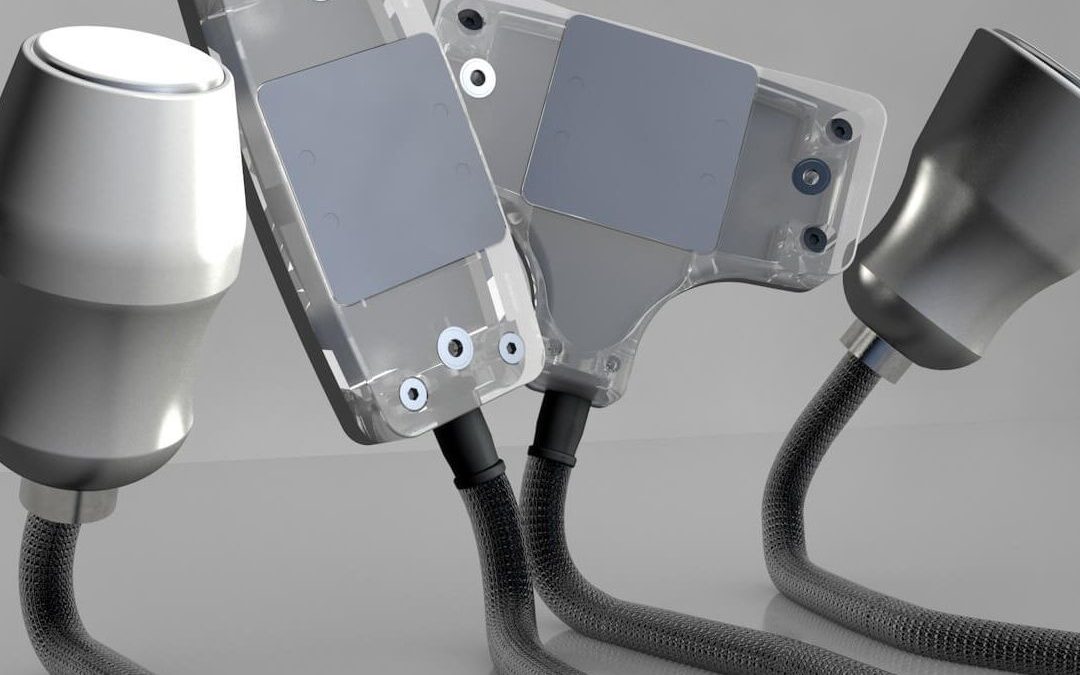
CoolSculpting is a non-surgical cryolipolysis treatment that freezes fat cells at controlled temperatures, initiating apoptosis and their gradual elimination by the lymphatic system. Unlike calorie-deficit approaches that shrink fat volume, cryolipolysis permanently removes targeted cells without affecting surrounding tissues.
What is Cryolipolysis and How Does Fat Freezing Target Stubborn Fat?
Cryolipolysis is a precisely controlled cooling process that selectively freezes adipocytes, triggering programmed cell death. This method leverages fat’s higher sensitivity to cold, ensuring surrounding skin and muscle remain unharmed. Over several weeks, natural metabolic pathways clear the cellular debris, leading to a noticeable reduction in the fat layer.
This science of fat freezing forms the basis for comparing elimination versus shrinkage, guiding clinics to offer precise contouring solutions that complement overall wellness programs.
How Do Diet and Exercise Reduce Fat Differently from CoolSculpting?
Diet and exercise promote fat cell shrinkage by maintaining a consistent calorie deficit and increasing energy expenditure. While these methods offer significant cardiovascular and metabolic health benefits, they don’t permanently remove adipocytes. In contrast, CoolSculpting eliminates specific fat pockets, creating localized contouring where lifestyle changes may plateau.
Understanding this distinction empowers practitioners to advise clients on integrating holistic lifestyle plans with cryolipolysis for optimal, lasting results.
What Are the Key Differences Between CoolSculpting and Liposuction Procedures?
CoolSculpting is non-invasive, utilizing applicators that externally suction and cool tissue. It requires no anesthesia and minimal downtime. Liposuction, however, is a surgical extraction that physically removes fat via a cannula under anesthesia, delivering immediate volume reduction but carrying higher risks and a longer recovery period.
Clinics can benefit from offering both: cryolipolysis for low-risk, repeatable sculpting and liposuction for dramatic reshaping under surgical guidance.
How Does CoolSculpting’s FDA Approval Influence Its Safety and Effectiveness?
FDA clearance signifies rigorous testing for safety and efficacy, allowing providers to market cryolipolysis as a regulated and reliable procedure. This approval builds client confidence and supports financing options for businesses. Regulatory trust positions cryolipolysis equipment—like CryoRelief’s commercial machines—as sound investments that align with clinical standards.
Safety and Efficacy of Cryolipolysis: A Systematic Review of Available Literature
A systematic review of cryolipolysis studies confirmed its mechanism of selectively destroying fat cells through controlled cooling, inducing apoptosis without harming surrounding tissues. The procedure has received FDA clearance for various body areas, including the flanks (2010), abdomen (2012), and thighs (2014), demonstrating its safety and efficacy.
Ingargiola, M. J., Motakef, S., Chung, S., Vasconez, H. C., & Sasaki, G. H., Plastic and Reconstructive Surgery, 2015
This citation validates the scientific basis of cryolipolysis, its FDA approval, and its overall safety and effectiveness as discussed in this article.
What Are the Advantages of CoolSculpting Over Traditional Fat Loss Methods?

CoolSculpting offers targeted fat cell elimination, enabling practitioners to sculpt specific areas where diet and exercise often fall short of delivering shape-defining results. Its non-surgical nature and proven safety profile contribute to higher client satisfaction and retention.
How Does CoolSculpting Provide Targeted Fat Reduction Compared to Overall Weight Loss?
CoolSculpting applicators focus on distinct regions—abdomen, flanks, thighs, chin—eliminating up to 25 percent of treated fat cells per session. General weight-loss strategies impact the entire body, improving health but offering less control over specific “problem areas.” Combining both approaches leads to balanced wellness and aesthetic outcomes.
What Are the Recovery Times and Side Effects Compared to Liposuction and Diet?
CoolSculpting clients typically resume their normal activities immediately, experiencing only temporary redness, numbness, or mild tingling. Liposuction necessitates days to weeks of downtime, compression garments, and carries risks such as infection or anesthesia complications. Diet and exercise involve no procedural recovery but demand ongoing lifestyle commitment and patience for visible results.
How Does CoolSculpting Enhance Client Satisfaction and Retention for Businesses?
By delivering a comfortable, low-risk service with predictable outcomes, cryolipolysis builds client trust and encourages repeat visits for additional treatment areas. Businesses utilizing CryoRelief’s efficient cryotherapy equipment report a 20–30 percent increase in body-contouring revenue within six months, driven by positive testimonials and package upgrades.
High Participant Satisfaction Achieved Using Cryolipolysis for Fat Reduction of the Abdomen and Flanks
A multinational, prospective study evaluated patient satisfaction and outcomes following cryolipolysis treatment. The findings indicated that 89.6% of participants were “satisfied” or “very satisfied” with their overall results, and 90.6% reported “noticeable” or “very noticeable” fat reduction in treated areas like the abdomen and flanks.
Stevens, W. G., Bruce, S., Dover, J. S., et al., Aesthetic Surgery Journal, 2020
This research directly supports the article’s claims regarding high client satisfaction and the effectiveness of CoolSculpting in achieving targeted fat reduction.
What Are the Long-Term Results and Fat Cell Apoptosis Effects of Cryolipolysis?
Cryolipolysis induces permanent fat cell apoptosis, meaning treated adipocytes do not regenerate. Long-term studies show sustained contouring effects after one or two sessions, provided clients maintain healthy lifestyle habits. This permanence distinguishes cryolipolysis from shrinkage methods and supports lasting business value through client referrals.
Cryolipolysis: 5-year follow-up on two subjects
A case study following two subjects for five years after a single cryolipolysis treatment demonstrated that the fat reduction achieved was durable and maintained over the long term, even with fluctuations in body weight. This supports the concept of permanent fat cell elimination through apoptosis.
Sasaki, G. H., et al., Aesthetic Surgery Journal, 2014
This research provides evidence for the long-term results and permanence of fat cell apoptosis induced by cryolipolysis, a key differentiator highlighted in the article.
How Do CoolSculpting and Traditional Fat Loss Methods Compare in Cost and ROI for Businesses?
Evaluating procedural costs, equipment investment, and revenue potential is crucial for clinics considering fat-reduction services. Cryolipolysis equipment typically requires a lower upfront capital investment and yields high-margin services compared to surgical suites and anesthesia staffing.
The table below compares average costs and projected ROI for common fat-reduction services:
| Procedure | Cost per Session | ROI Consideration |
|---|---|---|
| CoolSculpting | $600–$900 | High margins, minimal consumables, repeatable packages |
| Liposuction | $3,000–$8,000 | Significant facility and staffing costs, higher price point |
| Diet & Exercise | Variable | Low direct revenue, supports ancillary wellness service sales |
What Are the Operational Costs and Training Requirements for CoolSculpting vs. Liposuction?
Cryolipolysis systems require a moderate capital investment, annual maintenance, and manufacturer-provided operator training (often two days). Liposuction involves surgical suite accreditation, licensed anesthesia staff, and ongoing malpractice insurance, leading to higher operating expenses and regulatory compliance.
How Does Client Demand Differ Between Non-Surgical and Surgical Fat Reduction Services?
Clients increasingly favor non-invasive procedures that minimize downtime and risks. Surveys indicate that 65 percent of body-contouring inquiries lean towards cryolipolysis and other non-surgical options, prompting clinics to diversify beyond traditional liposuction for broader market appeal.
What Is the Return on Investment When Offering CoolSculpting Compared to Traditional Methods?
Offering cryolipolysis can achieve ROI within 12–18 months based on average case volumes, thanks to lower per-treatment costs and strong repeat business. In contrast, surgical services may require higher case loads or premium pricing to offset capital and staffing investments.
How Can CryoRelief’s Cryotherapy Equipment Compete with CoolSculpting in Business Settings?
CryoRelief’s commercial machines feature multi-applicator configurations, flexible cooling parameters, and modular upgrade paths that reduce initial expenditure and adapt to client demand. This versatility allows businesses to scale services gradually while maintaining competitive pricing and client satisfaction.
What Are the Main Non-Surgical Fat Reduction Alternatives to CoolSculpting?

Beyond cryolipolysis, several non-invasive technologies address fat reduction with varying mechanisms, costs, and treatment durations. Understanding these options helps businesses tailor offerings to diverse client needs.
The table below compares key non-surgical technologies:
| Technology | Mechanism | Treatment Time | Typical Equipment Cost |
|---|---|---|---|
| Cryolipolysis | Fat freezing via controlled cooling | 35–60 minutes | Moderate |
| SculpSure | Laser-induced lipolysis | 25 minutes | Moderate |
| Kybella | Injectable deoxycholic acid | 15–20 minutes | Low |
| Radiofrequency | Thermal disruption of adipocytes | 20–45 minutes | Moderate to High |
How Do SculpSure, Kybella, and Radiofrequency Compare to Cryolipolysis?
SculpSure uses laser energy to heat fat cells, requiring similar downtime but offering faster protocols. Kybella injectables dissolve submental fat through multiple small treatments. Radiofrequency devices heat and disrupt adipose tissue but may offer less permanence than cryolipolysis and require maintenance sessions.
What Are the Advantages and Limitations of Each Non-Invasive Fat Reduction Method?
- Cryolipolysis provides permanent cell removal with predictable outcomes but requires precursor applicator inventories.
- SculpSure delivers shorter sessions but may necessitate more follow-ups.
- Kybella is suitable for small areas like the double chin yet carries injection-related bruising.
- Radiofrequency offers versatile body applications but less clinically validated permanence.
How Do Equipment Costs and Treatment Times Vary Among Non-Surgical Options?
Equipment costs range from low-end injectables to high-end multi-applicator cryotherapy devices. Session durations vary from 15 minutes (Kybella) to over an hour (full-body cryolipolysis), influencing scheduling throughput and revenue per treatment chair.
Which Technologies Are Best Suited for Different Client Needs and Clinic Models?
For high-volume spas, quick-turn injectables and short laser protocols maximize throughput. Medical practices might prefer multi-applicator cryolipolysis and radiofrequency for premium packages. Understanding client demographics and pricing expectations guides optimal investment in each technology.
How Does CoolSculpting Fit Within the Broader Landscape of Body Contouring Technologies?
Body contouring encompasses both fat-reduction and skin-tightening methods across surgical and non-surgical domains. CoolSculpting holds a leading position in non-invasive fat-cell elimination.
What Defines Body Contouring and How Is It Different from General Fat Loss?
Body contouring targets physical shape by removing or reducing localized fat deposits and often tightening skin, whereas general fat loss focuses on systemic weight management and metabolic health. Contouring delivers aesthetic refinement beyond scale-based results.
How Do Surgical and Non-Surgical Body Contouring Methods Compare?
Surgical methods (e.g., liposuction, abdominoplasty) provide dramatic reshaping but require anesthesia and extended recovery. Non-surgical approaches (cryolipolysis, laser lipolysis, ultrasound cavitation) offer minimal downtime but typically moderate fat reduction per session.
What Are Emerging Trends and Technological Advances in Cryolipolysis and Fat Reduction?
Next-generation cryolipolysis devices feature faster cooling cycles, real-time temperature monitoring, and cryo-plus heating combinations to enhance efficacy. Emerging research explores combined therapies—cryolipolysis followed by radiofrequency—for synergistic fat-reduction and skin-firming results.
How Can Businesses Leverage These Trends to Enhance Service Offerings?
By adopting modular cryotherapy systems that accommodate new applicators and software upgrades, clinics can stay ahead of the curve. Training staff on hybrid treatments and promoting multi-mode packages increases perceived value and drives revenue diversification.
What Should Businesses Consider When Choosing Between CoolSculpting and Traditional Fat Loss Solutions?
Selecting the right fat-reduction technology requires assessing client profiles, operational capacity, and regulatory requirements to align investments with strategic goals.
How Do Client Profiles and Treatment Goals Influence Technology Choice?
Clients seeking contouring in specific areas often prefer cryolipolysis or injectables, while those desiring significant volume removal may require surgical options. Understanding client motivations—e.g., minimal downtime versus maximal reduction—guides technology investment.
What Are the Training, Maintenance, and Regulatory Considerations for Each Method?
Cryolipolysis equipment typically includes manufacturer certification programs, annual calibration, and may require physician oversight. Surgical suites demand licensed staff, sterile environments, and ongoing compliance with medical board standards. Factoring these requirements into costs and scheduling ensures safe, profitable operations.
How Does Marketing and Lead Generation Differ for Non-Invasive vs. Surgical Procedures?
Non-invasive services attract a broader audience through digital channels, social media before-and-after galleries, and concise educational content. Surgical procedures rely on professional referrals and in-depth consultations. Aligning marketing tactics with procedure complexity optimizes lead quality.
What Are the Key Questions to Ask Equipment Providers Like CryoRelief?
When evaluating cryotherapy partners, inquire about applicator versatility, software upgrade paths, maintenance schedules, warranty terms, and training support. Understanding the total cost of ownership and support infrastructure ensures optimal ROI and uninterrupted service delivery.
What Are Common Questions About CoolSculpting Versus Traditional Fat Loss Methods?
Clients and decision-makers frequently seek clarity on the comparative effectiveness, safety, and applicability of fat-reduction options. Clear, evidence-based answers help build trust and guide service selection.
Is CoolSculpting More Effective Than Diet and Exercise for Fat Reduction?
CoolSculpting offers targeted, permanent fat-cell removal in specific zones, whereas diet and exercise yield systemic fat-cell shrinkage that requires ongoing lifestyle adherence. Combining both approaches maximizes overall health and localized contouring.
How Much Fat Can CoolSculpting Remove Compared to Liposuction?
A single CoolSculpting session can eliminate up to 25 percent of fat cells in a treated area, resulting in gradual contouring. Liposuction can remove larger volumes immediately—often several liters—but involves surgical risks and recovery.
What Are the Side Effects of CoolSculpting Compared to Surgical Options?
CoolSculpting side effects are generally mild and transient, including redness, numbness, or light bruising. Surgical options carry risks of infection, scarring, anesthesia complications, and require downtime lasting days to weeks.
Can CoolSculpting Replace Traditional Weight Loss Methods?
While cryolipolysis excels at sculpting stubborn pockets, it does not substitute for systemic weight management. Clients achieve optimal outcomes by maintaining healthy diet and exercise routines alongside targeted fat-reduction treatments.
CoolSculpting integrates seamlessly into comprehensive body-contouring strategies, offering businesses a scalable, low-risk option that enhances client satisfaction and long-term loyalty. By understanding mechanism, outcomes, operational metrics, and emerging alternatives, practitioners can select and market the most effective solutions for their clientele. Investing in advanced cryotherapy equipment positions clinics at the forefront of non-invasive aesthetic innovation, driving revenue growth and reinforcing professional authority.