Comparing Whole-Body Cryotherapy vs. Localized Cryotherapy Devices
Cryotherapy has rapidly gained traction in wellness and athletic recovery circles, offering innovative solutions for pain relief and overall health enhancement. Two primary modalities often discussed are whole-body cryotherapy (WBC) and localized cryotherapy (LBC).While both methods utilize cold therapy to promote healing, they cater to different needs and serve unique purposes. Understanding these distinctions can help wellness centers, gyms, and med spas choose the appropriate equipment for their clientele, which is why Cryo Relief is here to provide some insight.
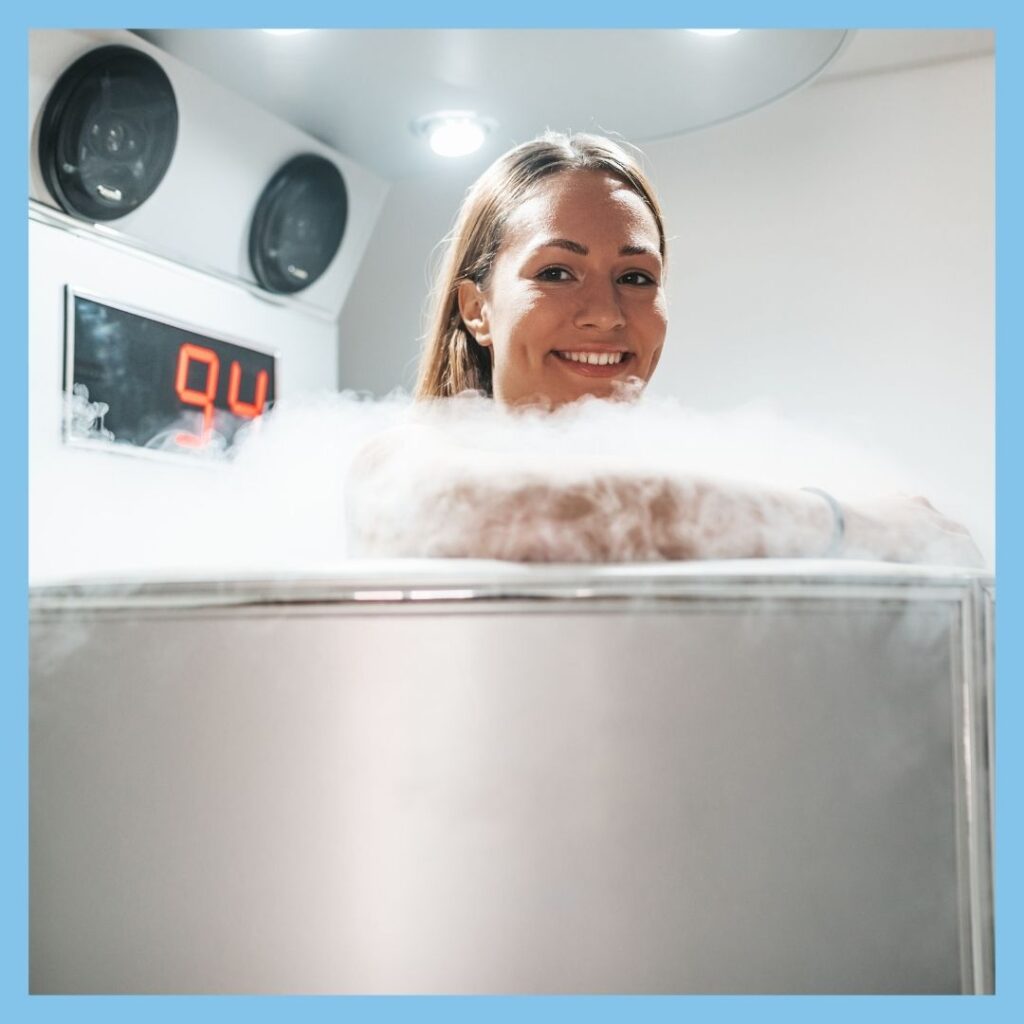
Overview of Whole-Body Cryotherapy
Whole-body cryotherapy involves immersing the entire body in an ultra-cold environment, typically ranging from -110°F to -300°F for a short duration (around three minutes). This process stimulates the body’s natural healing response, reduces inflammation, alleviates pain, and boosts overall wellness. Ideal for athletes and fitness enthusiasts, WBC sessions promote faster recovery from strenuous workouts.
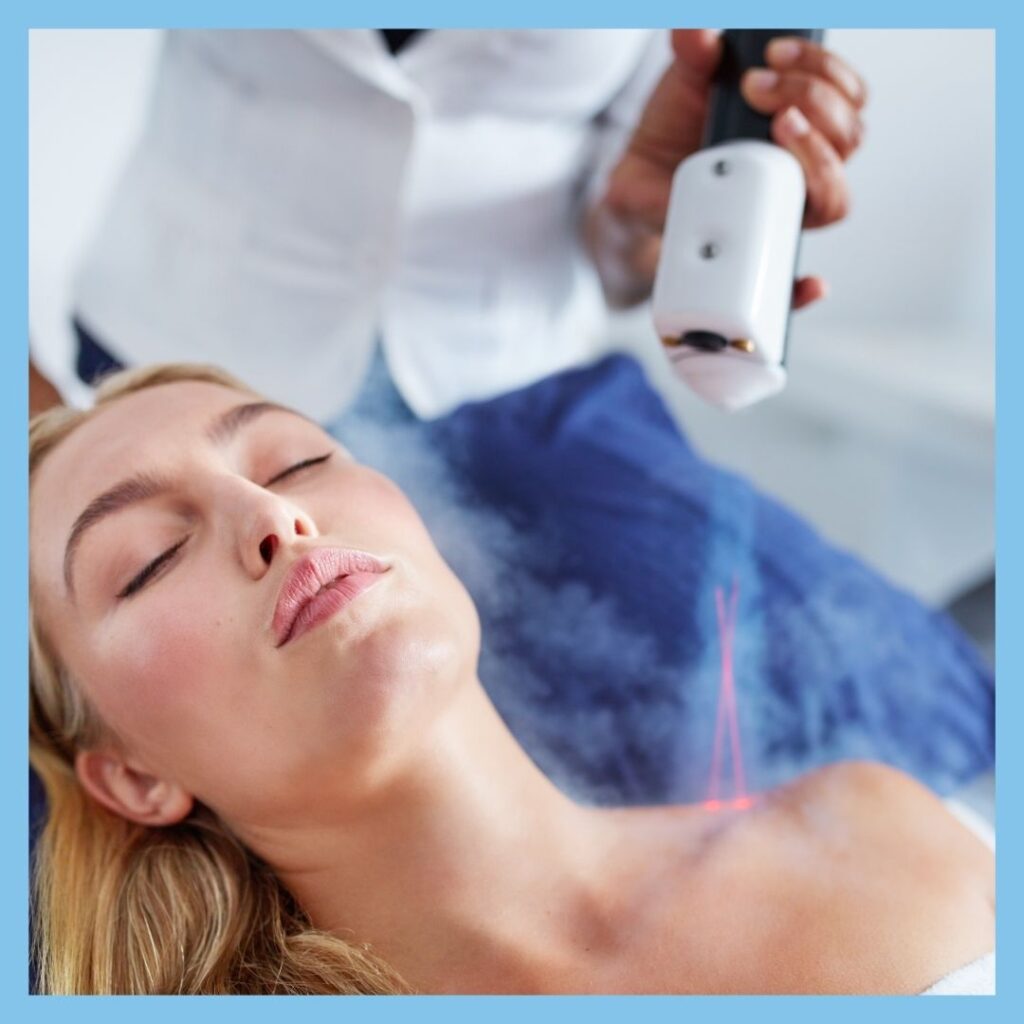
Localized Cryotherapy Defined
In contrast, localized cryotherapy focuses on treating specific areas of the body. Utilizing devices like handheld cryo wands or cold therapy pads, LBC delivers targeted cold therapy to inflamed or injured areas. This method is effective for treating localized pain, muscle soreness, and inflammation. It’s particularly useful for individuals with acute injuries or chronic conditions.
Benefits Comparison
Whole-body cryotherapy delivers systemic advantages, enhancing mood, energy levels, and circulation while also potentially improving sleep quality and reducing symptoms of anxiety and depression. Clients often report feeling rejuvenated after WBC sessions, making it attractive for those seeking overall wellness improvements beyond just physical recovery.
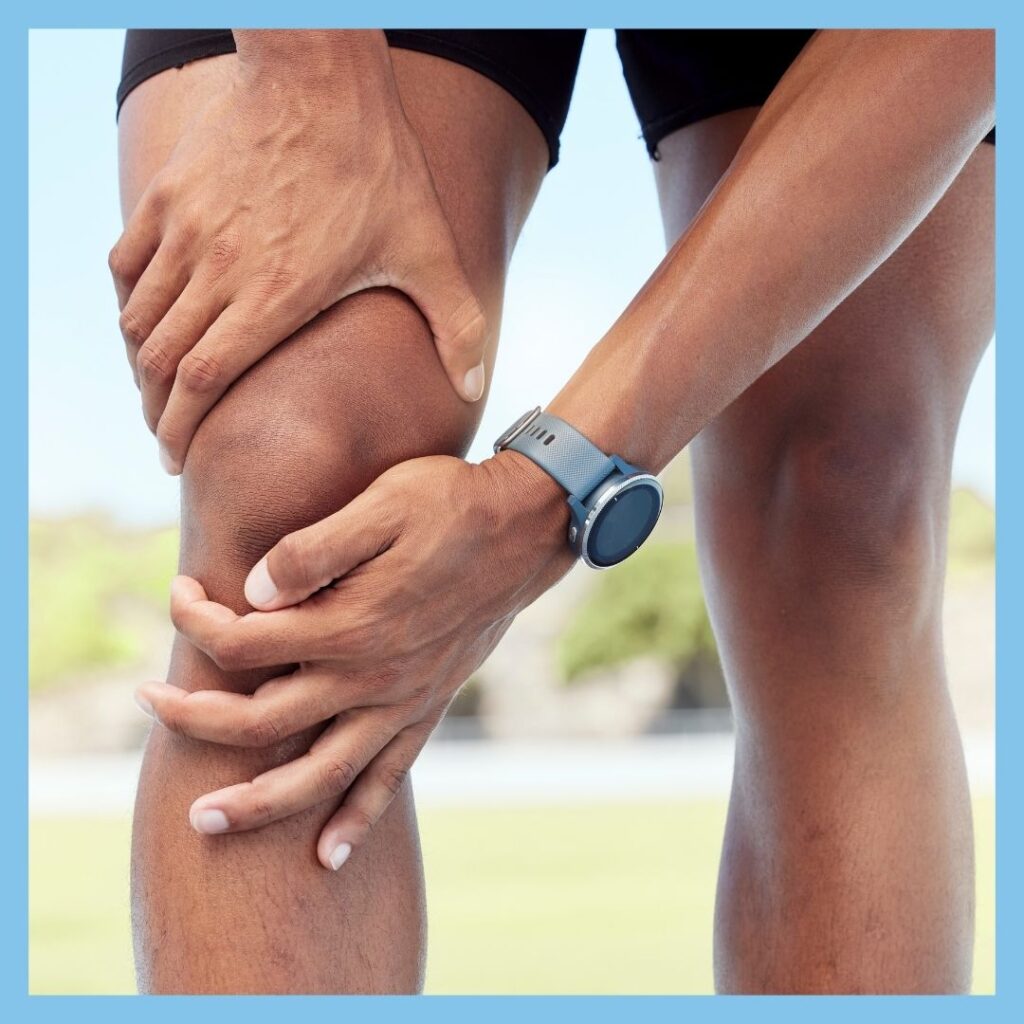
Localized cryotherapy, while also beneficial, provides precision treatment for specific ailments. The application of cold therapy can support quicker recovery times in targeted areas, making it ideal for clients with musculoskeletal injuries, arthritis, or localized pain.
Ideal Use Cases
WBC is especially beneficial for athletes preparing for competitions or looking to enhance their recovery post-training. Its full-body approach can improve endurance and performance, making it an excellent addition to any training regimen. Meanwhile, LBC is perfect for clients dealing with sports injuries, recovery from surgery, or specific pain management. Physical therapists and chiropractors often utilize localized devices to address conditions like joint pain, tendonitis, and muscle strain immediately.
Both whole-body and localized cryotherapy devices offer unique advantages that cater to different recovery and wellness needs. Whether you’re operating a gym, med spa, or wellness center, incorporating these advanced technologies can enrich your services, improve the client experience, and promote optimal recovery. To get started, contact Cryo Relief today for a free consultation call!
localized cryotherapy treatments, commercial whole body cryotherapy pods vs local systems comparison, commercial whole body cryotherapy pods vs local systems, localized cryotherapy for arthritis, electric localized cryotherapy equipment, local cryotherapy devices, cryo pain relief, what is cryo, localized relief, cryotherapy machine for home, cryo chamber
Cryotherapy is a therapeutic technique that involves exposing the body to extremely cold temperatures to promote recovery, reduce inflammation, and enhance overall wellness. It is widely used in medical, beauty, fitness, and sports industries.
Where to buy a cryotherapy machine?
The best places to buy a cryotherapy machine include specialized suppliers like Cryo Relief, which offers a range of equipment tailored to the medical, beauty, fitness, and sports industries.
What is a cryotherapy machine?
A cryotherapy machine is a specialized device designed to deliver cold therapy to the body, promoting recovery and wellness. It can be used for whole-body treatments or targeted local applications, enhancing healing and reducing inflammation.
How cold is a cryo chamber?
Cryo chambers operate at extremely low temperatures, typically ranging from -110°F to -300°F (-79°C to -184°C), depending on the specific equipment and treatment protocols used.
How much is a cryotherapy machine?
The cost of a cryotherapy machine varies depending on the type and features, typically ranging from $30,000 to $150,000. For specific pricing and options, it's best to consult with Cryo Relief directly.
What does cryotherapy do?
Cryotherapy involves exposing the body to extremely cold temperatures to promote recovery and reduce inflammation. It aids in pain relief, enhances muscle recovery, and supports overall wellness by stimulating blood circulation and boosting metabolic processes.
How long do you stay in a cryo chamber?
The duration of time spent in a cryo chamber typically ranges from 2 to 4 minutes per session. This allows for optimal benefits while ensuring safety and comfort during the treatment.
What is a cryo chamber?
A cryo chamber is a specialized facility designed for cryotherapy, where individuals are exposed to extremely cold temperatures for a short duration to promote recovery, reduce inflammation, and enhance overall wellness.
How much does a cryotherapy machine cost?
The cost of a cryotherapy machine varies significantly based on features and specifications, typically ranging from $30,000 to $150,000. For tailored pricing, consult with Cryo Relief to find the best solution for your needs.
What are the benefits of cryotherapy?
The benefits of cryotherapy include reduced inflammation, accelerated muscle recovery, enhanced athletic performance, improved skin health, and relief from chronic pain. These advantages make cryotherapy an appealing option for those in the medical, beauty, fitness, and sports industries.
How does cryotherapy aid recovery?
Cryotherapy aids recovery by reducing inflammation, alleviating muscle soreness, and enhancing blood circulation. This process accelerates healing and promotes faster recovery times for athletes and individuals seeking relief from physical stress.
What conditions can cryotherapy treat?
Cryotherapy can treat a variety of conditions, including muscle soreness, inflammation, arthritis, and skin conditions like eczema and psoriasis, while also aiding in recovery from injuries and enhancing overall wellness.
Is cryotherapy safe for everyone?
Cryotherapy is not safe for everyone. Individuals with certain medical conditions, such as cardiovascular issues, respiratory problems, or cold sensitivity, should consult a healthcare professional before undergoing treatment. Always prioritize safety and seek personalized advice.
How often should you use cryotherapy?
The recommended frequency for using cryotherapy varies based on individual goals and needs. Generally, sessions can be done 2-3 times per week for optimal benefits, especially for recovery, wellness, and pain management.
What should you wear during cryotherapy?
What to wear during cryotherapy is important for comfort and effectiveness. It is recommended to wear minimal clothing, such as a swimsuit or shorts, along with protective gear like gloves and socks to prevent frostbite on extremities.
Can cryotherapy help with weight loss?
Cryotherapy can aid in weight loss by boosting metabolism and promoting calorie burning through exposure to cold temperatures. While it is not a standalone solution, it can complement a healthy lifestyle and exercise regimen.
What is the science behind cryotherapy?
The science behind cryotherapy involves exposing the body to extreme cold temperatures, which triggers physiological responses such as reduced inflammation, improved circulation, and enhanced recovery. This process promotes healing and overall wellness through the body's natural mechanisms.
How does a cryotherapy machine work?
A cryotherapy machine works by exposing the body to extremely cold temperatures for a short duration, typically using liquid nitrogen or refrigerated air. This process triggers physiological responses that can reduce inflammation, relieve pain, and promote recovery.
What are the side effects of cryotherapy?
The side effects of cryotherapy may include temporary redness, swelling, or numbness in the treated areas. Some individuals might also experience a brief sensation of cold or tingling during the session, but these effects typically resolve quickly.
How long does a cryotherapy session last?
Cryotherapy sessions typically last between 3 to 10 minutes. The exact duration may vary depending on the type of treatment and individual tolerance, ensuring an effective and safe experience for all users.
What is the ideal temperature for cryotherapy?
The ideal temperature for cryotherapy typically ranges from -110°F to -140°F (-78°C to -60°C). This range ensures optimal benefits for muscle recovery and overall wellness while minimizing discomfort.
Can cryotherapy improve athletic performance?
Cryotherapy can enhance athletic performance by reducing muscle soreness, accelerating recovery, and improving overall physical endurance. These benefits help athletes train more effectively and perform at their best.
What is the difference between cryotherapy types?
The difference between cryotherapy types lies in their application methods: whole-body cryotherapy involves exposure to extremely cold air in a chamber, while localized cryotherapy targets specific areas using devices that deliver cold therapy directly to the skin.
How to prepare for a cryotherapy session?
Preparing for a cryotherapy session involves wearing loose, comfortable clothing, avoiding heavy meals beforehand, and staying hydrated. Additionally, remove any jewelry and inform your technician of any medical conditions.
What is the history of cryotherapy?
The history of cryotherapy dates back to the 1970s, when Dr. Toshima Yamaguchi in Japan pioneered the use of extreme cold for therapeutic purposes, leading to its adoption in various medical and wellness fields worldwide.
Are there any age restrictions for cryotherapy?
Age restrictions for cryotherapy vary by provider, but generally, individuals must be at least 18 years old to undergo whole-body cryotherapy. Minors may participate with parental consent and under supervision. Always consult with a healthcare professional before starting treatment.
How does cryotherapy compare to ice baths?
Cryotherapy and ice baths both aim to reduce inflammation and promote recovery, but cryotherapy uses controlled, extreme cold for a shorter duration, offering a more efficient and targeted treatment compared to the prolonged exposure of ice baths.
What is the recovery time after cryotherapy?
The recovery time after cryotherapy is typically minimal, with most individuals resuming their normal activities immediately. Some may experience slight redness or tingling, but these effects usually subside quickly.
Can cryotherapy be used for pain management?
Cryotherapy can be effectively used for pain management. It helps reduce inflammation and numb sore tissues, providing relief for conditions such as arthritis, muscle strains, and joint pain.
What equipment is needed for cryotherapy?
The equipment needed for cryotherapy includes whole-body cryotherapy chambers, localized cryotherapy devices, and cryo facial machines, all designed to deliver targeted cold therapy for recovery and wellness.
cryo treatment, cryo machine, targeted cryotherapy machine, localized cryotherapy machine for sale, cryo device, at home cryotherapy, cryotherapy at home, cryotherapy machine for home